Budget Kitchen Strategies

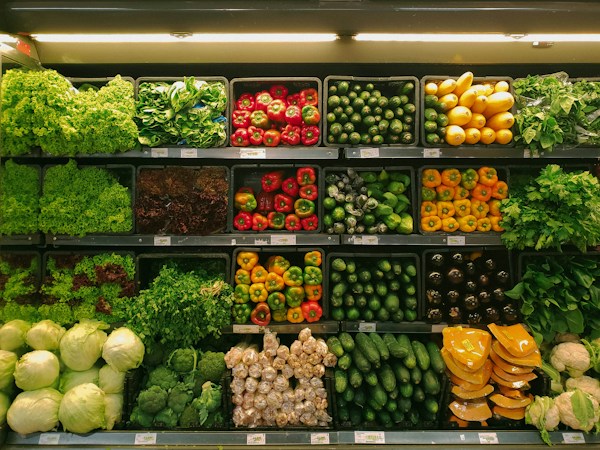
Grocery shopping cart
Strategy / Savings

5 Core Shopping Rules to Cut Your Grocery Bill in Half

Mastering your grocery bill starts long before you reach the checkout lane. By cross-auditing local supermarket circulars, planning meals strictly around seasonal rotations, and understanding how grocery stores trick your brain with eye-level product placement, you can uncover massive hidden savings. This deep dive breaks down five actionable psychological rules to rewrite your shopping habit pattern, prevent impulsive impulse buying, and protect your hard-earned household cash flow.

Read Full Guide →
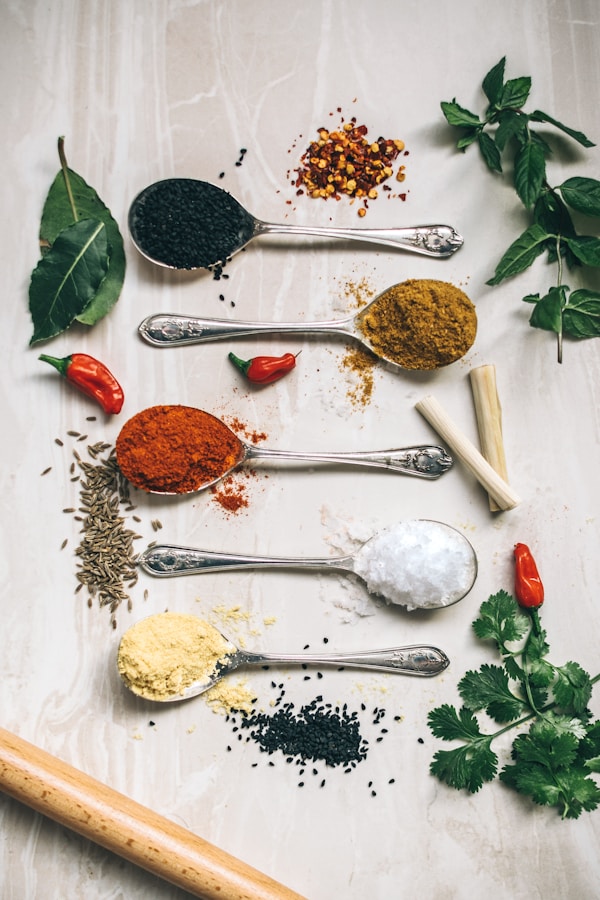
Spices in jars
Pantry / Guides

The Minimalist Budget Pantry Blueprint

A highly effective budget kitchen relies on a tight, strategic cache of versatile foundational ingredients. Instead of cluttering your cabinets with specialized, single-use elements that rot in the back of your cabinets, we outline the exact core spices, whole grains, vinegars, and cooking oils necessary to engineer high-flavor profiles on a shoe-string budget. Learn to buy items that lock together to build a robust culinary foundation capable of supporting hundreds of distinct budget recipe structures.

Read Full Guide →
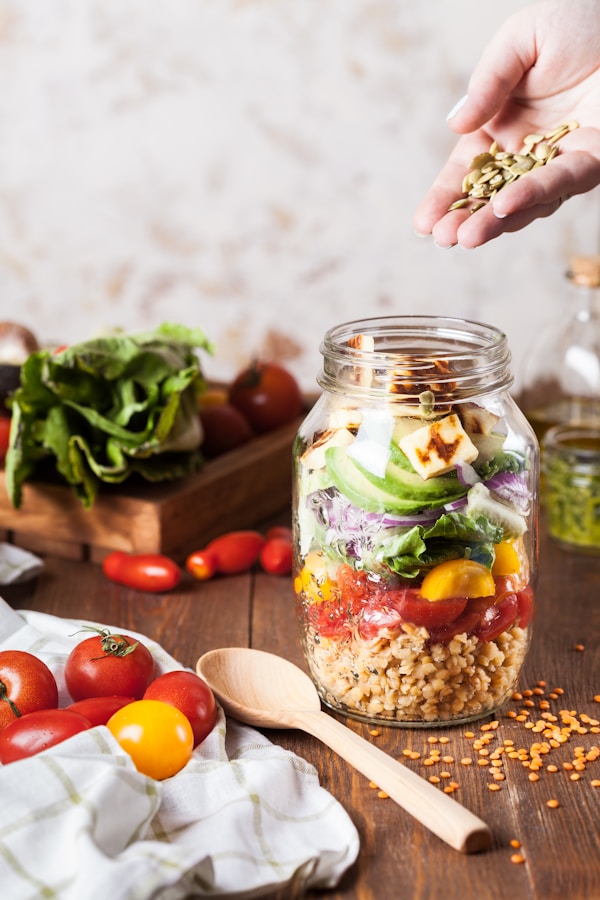
Meal prep containers
Meal Prep / Efficiency

The Art of the Micro-Prep: Cooking Once for 4 Days

Spending your entire Sunday locked inside a hot kitchen executing an exhaustive meal prep routine is a recipe for quick burnout. Our micro-prep matrix focuses instead on modular components: batch-cooking two versatile proteins, scaling a neutral grain base, and treating vegetables with basic roasting techniques. We show you how to quickly assemble distinct meal styles through the week while saving precious electricity, mitigating dish fatigue, and keeping food completely fresh.

Read Full Guide →
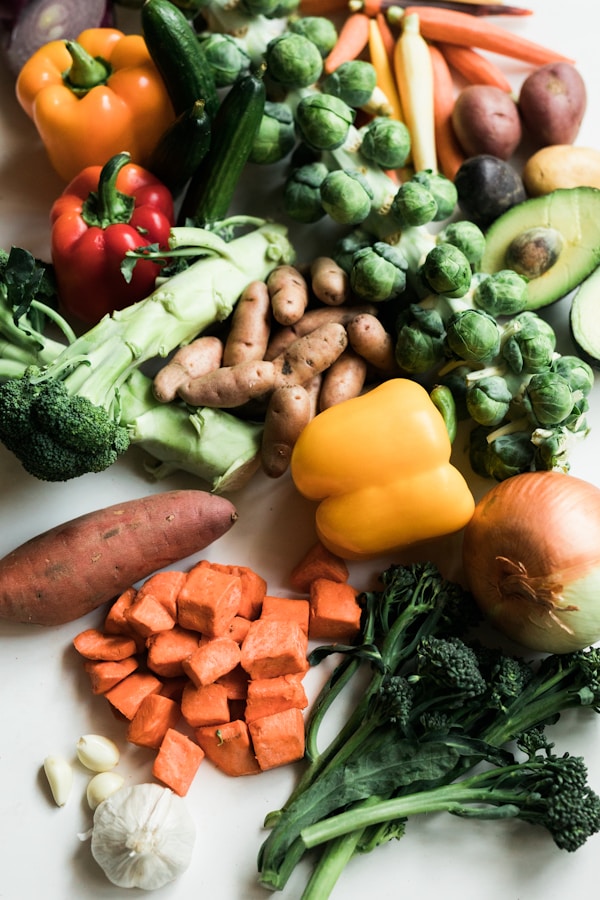
Fresh vegetables
Waste / Optimization

Zero Waste Hacks: Turning Kitchen Scraps into Cash Flow

Every single vegetable skin, chicken carcass, onion root, and limp herb stalk tossed into the garbage bin represents leaking financial margin from your wallet. By creating a dedicated freezer collection system, you can continuously stockpile these clean nutrient scrap elements. We walk you step-by-step through the process of utilizing slow-simmering techniques to transform basic leftovers into rich, velvety, deeply complex stocks that outshine any sodium-packed commercial grocery box.

Read Full Guide →
High protein healthy plate
Protein / Economics

Rethinking the Plate: Cheapest Protein Metrics Ranked

When you are grocery shopping on a strict budget limit, proteins quickly scale into your most significant spending obstacle. This raw, data-backed analysis evaluates modern market pricing to mathematically rank common items by their true cost-per-gram of protein yield. We put dry lentils, whole eggs, firm tofu, generic peanut butter, canned tuna, and boneless chicken thighs through a strict formula test to reveal exactly how to hitting daily macronutrient benchmarks without blowing through your bank account.

Read Full Guide →
Cooking pan close up
Utensils / Value

The 3 Kitchen Tools Actually Worth Your Money

The home kitchen appliance market is flooded with overpriced, flashy gadget gear designed to handle only a single specific task. Skip the marketing traps and protect your workspace. We audit the three immortal workhorse tools that handle over ninety-five percent of thrifty cooking operations: a sharp, properly balanced chef's knife, a heavy-gauge cast iron skillet, and a resilient, large Dutch oven. Learn how purchasing these three tools saves long-term capital and upgrades cooking efficiency.

Read Full Guide →
Healthy grains oats
Bulk / Staples

When Buying Bulk Saves Money (And When It Doesn't)

Walking through massive wholesale club stores can trigger a psychological trap that tricks you into overspending under the false banner of bulk savings. While items like dry white rice, whole oats, and dried beans scale your savings dramatically over time, purchasing massive volumes of perishable spices, flour, or condiments can lead to spoilage and waste. This guide teaches you how to calculate actual cost-per-ounce ratios to make smart storage space investments.

Read Full Guide →
Frozen healthy produce
Nutrition / Ice

Frozen vs. Fresh: The Real Cost and Nutrient Audit

There is an ongoing, incorrect narrative that frozen produce is inherently lower quality than the fresh selections in the produce aisle. We look at agricultural supply chain patterns to reveal why flash-frozen fruits and vegetables frequently retain higher nutritional density than fresh options that sit in transport trucks for weeks. Compare shelf-life metrics, evaluate processing price margins, and discover how using frozen items completely stops the cycle of wasting spoiled produce.

Read Full Guide →
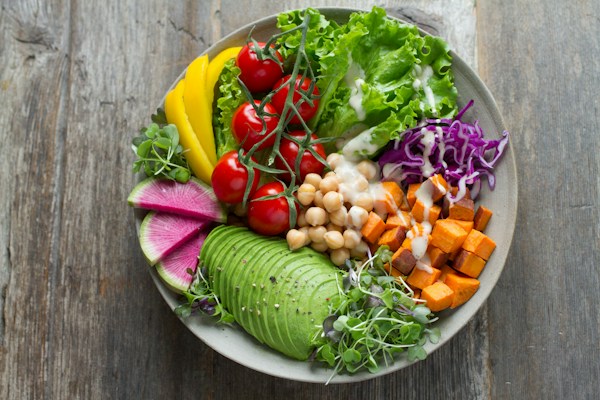
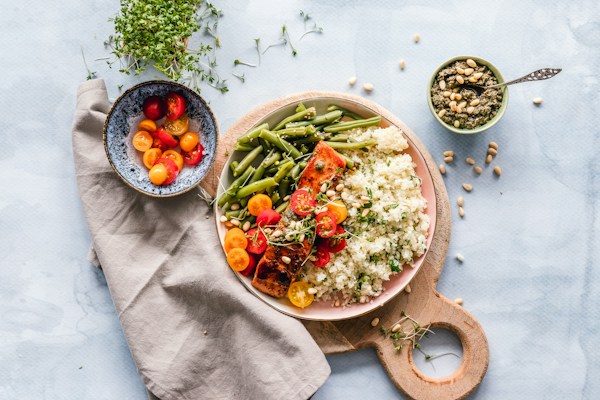
Vegetable salad bowl
Plants / Vegan

Plant-Based on a Dime: Meatless Mondays Audited

You don't need to jump into a permanent lifestyle transformation to capture the compounding financial rewards of plant-centered eating. Transitioning your household matrix to just one single dinner without meat each week releases vital capital back into your monthly food budget. We show how taking advantage of inexpensive, dense legumes, chickpeas, and texturized proteins lets you redirect saved money toward purchasing premium seasonings and better whole food ingredients.

Read Full Guide →
Homemade soup bowl
Cooking / Flavor

Cheap Umami: How to Make Low-Cost Meals Taste Complex

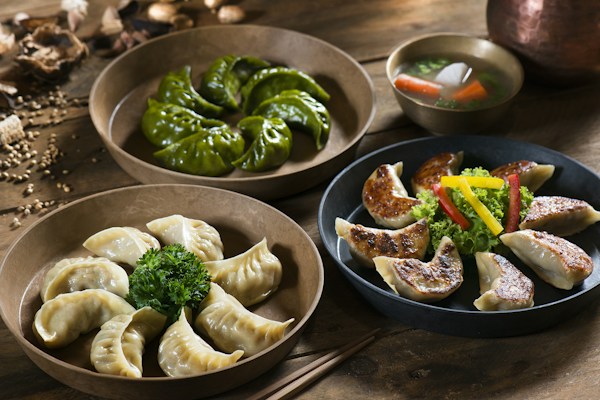
Inexpensive home meals do not have to taste flat, repetitive, or uninspired. Elevating simple staple dishes depends entirely on understanding basic chemical reactions using cheap umami agents. We teach you how small touches of soy sauce, apple cider vinegar, tomato paste, toasted sesame oil, and nutritional yeast can deepen food profiles. Master these simple techniques to make affordable food taste like complex restaurant meals while spending only pennies per serving.

Read Full Guide →