Zero Waste Hacks: Turning Kitchen Scraps into Cash Flow
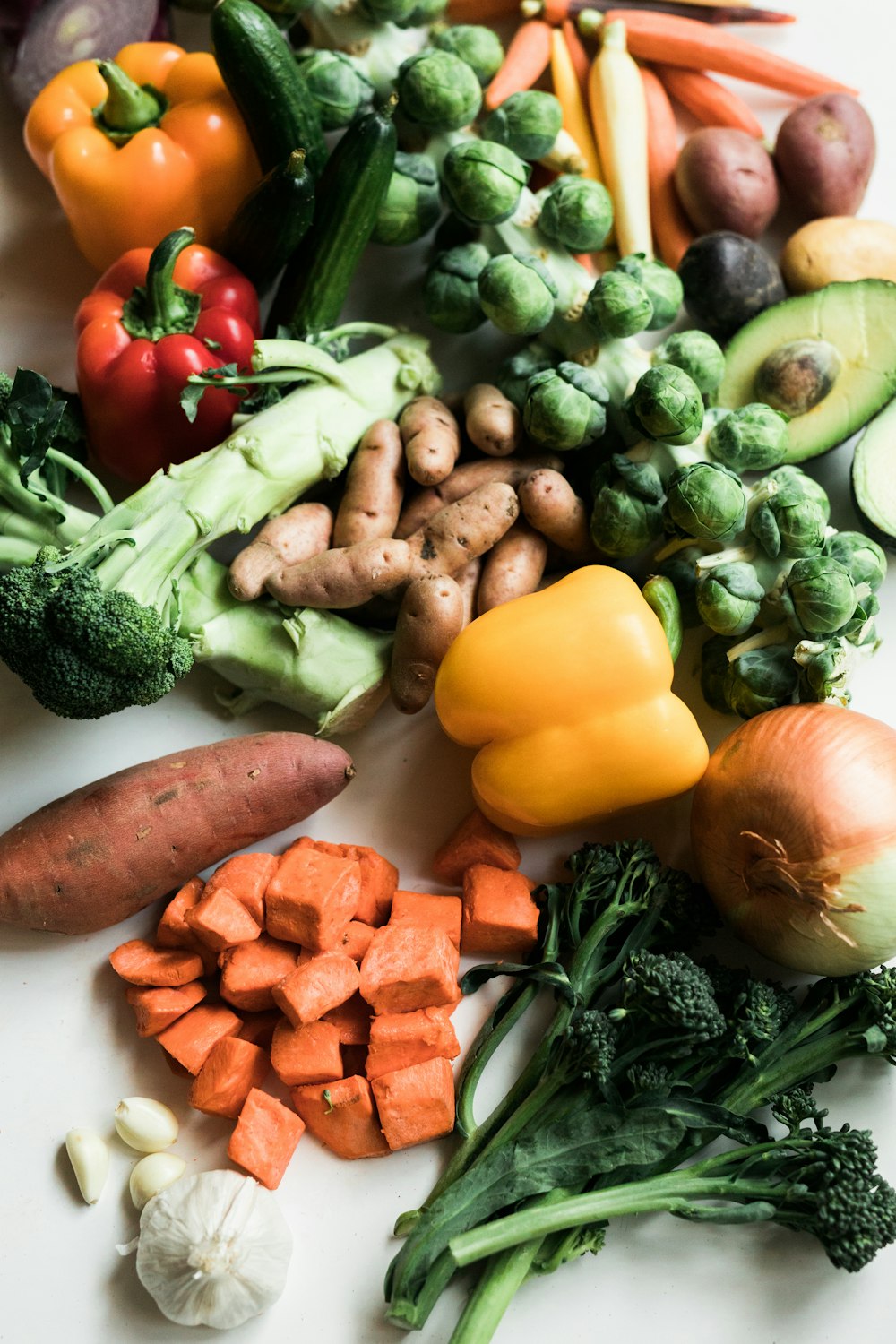
Every onion end, carrot peel, and chicken carcass you throw away is a small amount of money you already paid for and never used. None of it individually seems worth saving — which is exactly why most households throw away more food value per year than they'd ever knowingly waste in one sitting.
Start a scrap bag in the freezer
Keep one gallon freezer bag in the door of your freezer labeled "stock scraps." Onion skins and ends, carrot peels and tops, celery ends, mushroom stems, garlic skins, and parmesan rinds all go in as you cook through the week. Once it's full, you have a free batch of vegetable stock waiting to happen — no shopping trip required.
Never throw away a chicken carcass
After a roast or rotisserie chicken, the bones aren't done working. Toss the carcass in a pot with your scrap bag, cover with water, add a splash of vinegar to help pull minerals from the bone, and simmer for a few hours. You'll get several cups of stock that would otherwise cost $3-4 a carton at the store — from something you were about to throw in the trash.
Stale bread and wilting greens have a second life
- Stale bread becomes croutons, breadcrumbs, or the base for a bread pudding — toast it dry in a low oven rather than composting it.
- Wilting greens (spinach, kale, herbs) blend into a stock, a soup, or a pesto far better than they perform raw in a salad.
- Overripe fruit goes into a smoothie or a quick compote instead of the bin.
The compounding effect
None of these habits save a dramatic amount of money in a single week. But a homemade stock that costs nothing versus a $4 carton, repeated weekly, adds up to real annual savings — and it usually tastes richer and less sodium-heavy than the store-bought version anyway. The households that waste the least food tend to spend noticeably less on groceries overall, simply because less of what they buy ends up in the trash before it's used.
The habit that makes this stick isn't a big weekend project — it's a freezer bag by the cutting board and five extra seconds of deciding "trash or stock bag" every time you prep.