The Minimalist Budget Pantry Blueprint
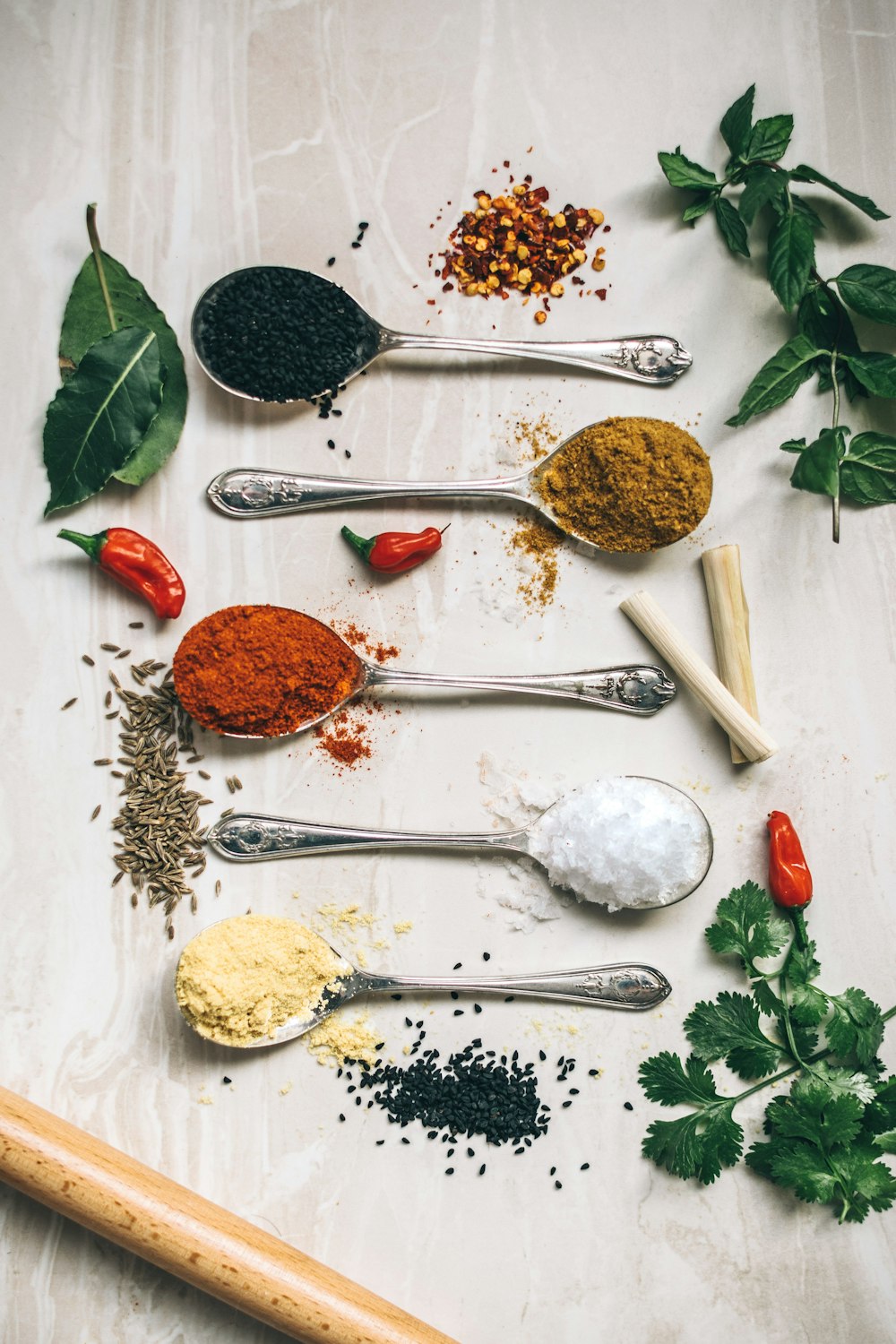
A cluttered pantry is usually a sign of overspending, not preparedness. Single-use condiments and specialty spices bought for one recipe tend to sit untouched for months, then get thrown out. A tight, deliberately chosen pantry does more with less — every item earns its shelf space by working in a dozen different recipes, not one.
Here's the core list we build every SaverBites recipe around, and why each item pulls its weight.
The five oils and fats
- Neutral cooking oil (vegetable or canola) — your workhorse for high-heat cooking.
- Olive oil — finishing drizzles, dressings, lower-heat sautéing.
- Butter — flavor base for sauces and baking.
- Toasted sesame oil — a few drops transforms a stir-fry or noodle dish.
The acid shelf
Acid is the most underrated flavor tool in a budget kitchen — it brightens a dish without adding cost. Keep white vinegar, apple cider vinegar, and a couple of lemons on hand at all times. A splash of vinegar at the end of a stew or bean dish does more for flavor than an extra spice ever will.
The grain and legume base
- White rice — the cheapest calorie-dense base you can buy.
- Rolled oats — breakfast, but also a binder for savory dishes.
- Dried lentils — cook in 20 minutes, no soaking required, and stretch any protein.
- Dried or canned beans — dried is cheaper per serving; canned is faster on a weeknight.
- Pasta — the most cost-efficient hot meal in existence, full stop.
The eight spices that cover almost everything
You don't need forty spice jars. Salt, black pepper, garlic powder, onion powder, smoked paprika, cumin, dried oregano, and red pepper flakes will carry you through the overwhelming majority of budget recipes — Italian, Mexican, Indian-adjacent, and everything in between. Add specialty spices only once you notice yourself reaching for the same recipe repeatedly.
The umami backbone
Soy sauce, tomato paste, and a jar of bouillon or stock concentrate turn a plain pot of grains and vegetables into something that tastes intentional. These three ingredients rarely spoil, cost very little per use, and are doing more flavor work per penny than almost anything else in the store.
Once these are stocked, most weeknight cooking becomes a matter of picking a protein or vegetable that's on sale and building around what's already in the cabinet — which is exactly the point. A minimalist pantry isn't about deprivation, it's about never needing a special trip to the store just to make dinner.