Cheap Umami: How to Make Low-Cost Meals Taste Complex
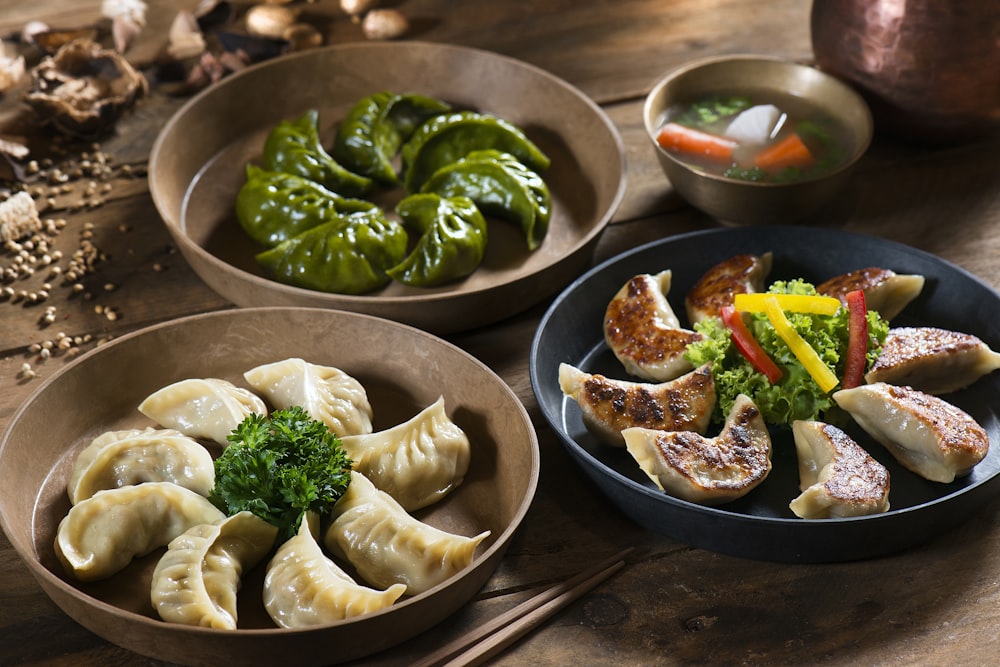
A budget meal doesn't have to taste like a budget meal. The gap between "cheap and flat" and "cheap and rich" almost always comes down to umami — the savory depth that makes food taste finished instead of thin. Fortunately, the ingredients that deliver it are some of the least expensive things in the store.
The core umami pantry
- Soy sauce. Not just for Asian dishes — a small splash deepens a stew, a bolognese, or even a pot of beans without tasting distinctly "soy."
- Tomato paste. Cook it in oil for a minute before adding liquid to concentrate its flavor before it goes into a sauce or stew.
- Nutritional yeast. A cheesy, savory dusting that works in pasta, popcorn, or roasted vegetables — especially useful in meat-free dishes missing that savory backbone.
- Toasted sesame oil. A few drops at the very end of cooking (never at high heat) adds a nutty, rounded depth.
- Parmesan rinds. Don't throw them away — simmered in a soup or sauce, a rind releases savory depth for almost nothing.
- Mushrooms, dried or fresh. One of the most naturally umami-dense vegetables available, and dried mushrooms rehydrate into an intensely flavored liquid worth saving.
Layer it, don't dump it
The mistake most home cooks make is adding all their flavor at once, at the end. Umami-rich ingredients work best layered in stages: a spoonful of tomato paste browned early, a splash of soy sauce mid-cook, and a finishing drizzle of sesame oil or grated parmesan at the very end. Each layer reads as a separate note instead of one flat flavor.
Why this matters more on a budget
Expensive ingredients (aged cheeses, cured meats, good stock) deliver umami on their own. Budget cooking has to build it deliberately, using a handful of inexpensive tools instead. Once you understand which pantry items are doing that work, a pot of lentils, a bowl of rice, or a simple vegetable stir-fry stops tasting like "the cheap version" and starts tasting like a dish that was actually seasoned with intention.
None of these ingredients cost much, and a little goes a long way — the goal is a background note of depth, not an overpowering flavor. Start with small amounts, taste as you go, and build up from there.